

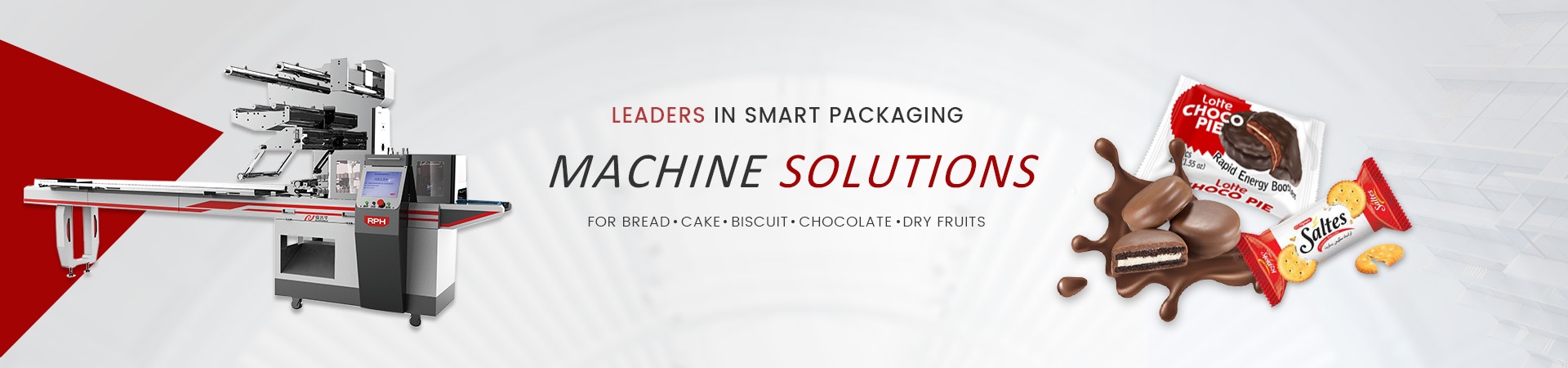
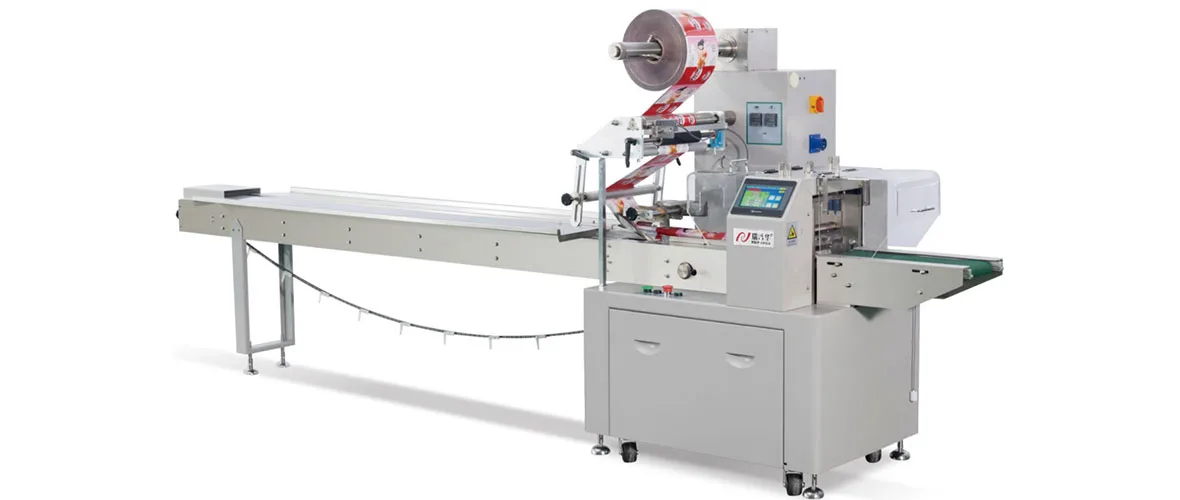
The Cost-Benefit Analysis of Investing in a Manual Bread Packing Machine
Introduction: The Cost-Benefit Analysis of Investing in a Manual Bread Packing Machine
In the competitive food industry, efficiency and cost-effectiveness are paramount. Bakery businesses seeking to optimize their operations may consider investing in a manual bread packing machine. Understanding the cost-benefit analysis of this investment can help businesses make informed decisions that will drive profitability and growth.
Benefits
Increased Efficiency and Productivity
Manual bread packing machines significantly increase the speed and accuracy of the packing process. By automating repetitive tasks, machines eliminate human error, reduce handling times, and increase throughput. The consistency and precision of machine packing ensure uniform product quality and minimize waste.
Reduced Labor Costs
Automating bread packing frees up employees from labor-intensive tasks, allowing them to focus on higher-value activities. This labor savings can lead to significant cost reductions, as businesses can reduce staff hours or reallocate employees to other essential areas.
Improved Product Quality and Safety
Machine packing provides a controlled environment that protects bread from contamination and spoilage. The airtight seals created by the machine prevent air and moisture from entering, extending the shelf life of the product. By maintaining product integrity, machines contribute to customer satisfaction and brand reputation.
Reduced Packaging Costs
Manual bread packing machines can optimize the use of packaging materials, reducing costs associated with excess packaging. The machines accurately measure and dispense the necessary amount of packaging, eliminating waste and ensuring efficient utilization of resources.
Costs
Acquisition and Installation Costs
The initial investment in a manual bread packing machine can be substantial. Factors such as machine capacity, features, and brand reputation influence the purchase price. Additionally, installation costs, including wiring, plumbing, and labor, must be considered.
Maintenance and Operating Expenses
Regular maintenance is essential to ensure the optimal performance of the machine. This includes cleaning, lubrication, and periodic repairs. The cost of maintenance contracts or spare parts should be factored into the operating expenses.
Labor Training and Supervision
While manual bread packing machines reduce overall labor requirements, they require trained operators to ensure proper usage and maintenance. Employee training and supervision costs should be considered when evaluating the cost of the investment.
Conclusion
The cost-benefit analysis of investing in a manual bread packing machine reveals both financial and operational advantages. By increasing efficiency, reducing labor costs, improving product quality, and optimizing packaging, machines can contribute significantly to the profitability and sustainability of bakery businesses. However, businesses must carefully consider the acquisition and operating costs to ensure that the investment aligns with their long-term goals and financial capabilities.

-
01
How do I choose the right speed for a toas bread packaging line to avoid crushing soft loaves?
22-06-2026 -
 02
02Packaging Machinery: Beyond Sealing, Driving an Efficient, Smart, and Sustainable Future
21-01-2026 -
 03
03Automatic Tray Loading and Packaging Equipment: Boost Efficiency to 160 Bags/Minute
21-11-2025 -
 04
04Automatic Soap Packaging Machine: Boost Productivity with 99% Qualification Rate
21-11-2025 -
 05
05A Deep Dive into Automatic Toast Processing and Packaging System
18-11-2025 -
06
The Future of Bakery Production: Automated Toast Processing and Packaging System
18-11-2025 -
 07
07Reliable Food Packaging Solutions with China Bread, Candy, and Biscuit Machines
11-10-2025 -
 08
08High-Performance Automated Food Packaging Equipment for Modern Production
11-10-2025 -
09
Reliable Pillow Packing Machines for Efficient Packaging Operations
11-10-2025 -
 10
10Advanced Fully Automatic Packaging Solutions for Efficient Production
11-10-2025
