

The Environmental Impact of Cake Wrapping Machines
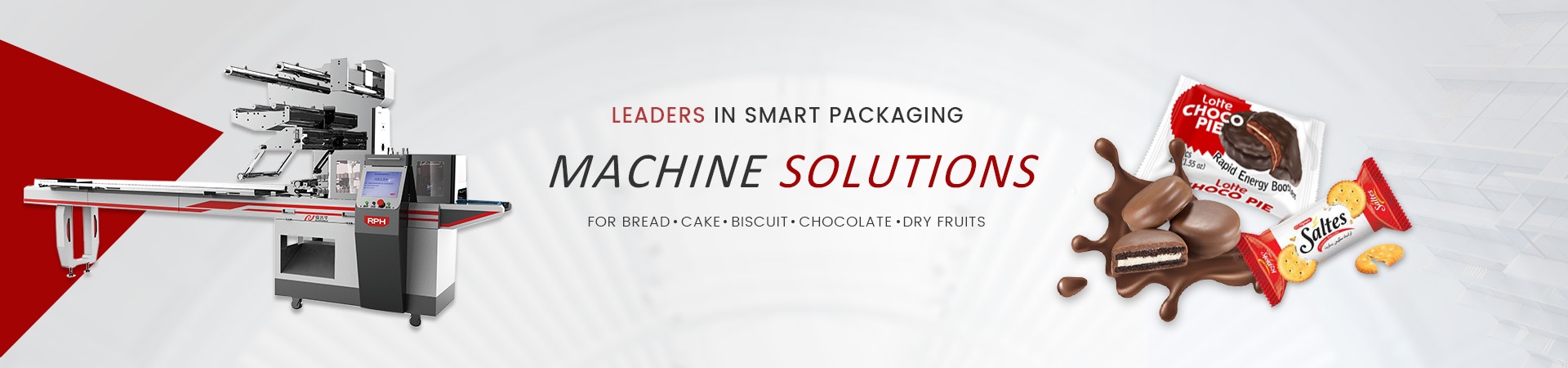
Cake wrapping machines play a significant role in the food industry, safeguarding the freshness and presentation of baked goods. However, their environmental footprint has become a growing concern, prompting the need to explore the sustainability of these machines and their impact on the planet. This article examines the various environmental aspects of cake wrapping machines, highlighting their influence on energy consumption, waste generation, and material use.
Energy Consumption
Cake wrapping machines can significantly contribute to energy consumption in bakeries and food production facilities. The machines rely on electricity to power their motors, heating elements, and control systems. Conventional wrapping machines often have high energy demands, leading to increased greenhouse gas emissions and strain on the electrical grid. However, advancements in energy efficiency have resulted in the development of more sustainable models that utilize energy-saving technologies and optimize operational parameters to minimize energy wastage.
Waste Generation
One of the primary environmental impacts of cake wrapping machines is the generation of waste. The machines produce a significant amount of plastic film, which is used to wrap and seal cakes. This waste can end up in landfills, contributing to the growing problem of plastic pollution. In addition, the production and disposal of wrapping materials also generate greenhouse gases, further exacerbating climate change. To address this issue, manufacturers are exploring biodegradable and compostable alternatives to traditional plastic film, reducing the environmental burden of cake wrapping.
Material Use
The construction and operation of cake wrapping machines also involve the use of various materials. The machines typically consist of metal components, plastic parts, and electronic components. Extraction and processing of these materials can have negative environmental impacts, including resource depletion, habitat destruction, and pollution. Minimizing material use and optimizing design can reduce the ecological footprint of cake wrapping machines. Additionally, recycling and reusing machine parts can extend their lifespan and minimize waste.
Sustainable Practices
Recognizing the environmental concerns associated with cake wrapping machines, manufacturers and businesses are implementing sustainable practices to reduce their impact. These practices include:
Energy-efficient technologies: Employing energy-saving motors, variable-speed drives, and optimized control systems to minimize energy consumption.
Biodegradable materials: Using sustainable packaging materials made from renewable resources or biodegradable polymers to reduce plastic waste.
Reduced waste generation: Implementing recycling programs for wrapping materials and optimizing machine operations to minimize waste production.
Responsible disposal: Ensuring proper disposal of waste materials to prevent contamination and minimize environmental harm.
Circular economy principles: Designing machine components for reuse and recycling, promoting a circular economy approach that conserves resources and reduces waste.
Conclusion
The environmental impact of cake wrapping machines is a complex issue that requires a comprehensive approach to sustainability. By addressing energy consumption, waste generation, and material use, manufacturers and businesses can minimize the ecological footprint of these machines and contribute to a more sustainable food industry. Through the adoption of energy-efficient technologies, biodegradable materials, and responsible waste management practices, cake wrapping machines can play a vital role in safeguarding both the freshness of baked goods and the health of our planet.
-
01
How do I choose the right speed for a toas bread packaging line to avoid crushing soft loaves?
22-06-2026 -
 02
02Packaging Machinery: Beyond Sealing, Driving an Efficient, Smart, and Sustainable Future
21-01-2026 -
 03
03Automatic Tray Loading and Packaging Equipment: Boost Efficiency to 160 Bags/Minute
21-11-2025 -
 04
04Automatic Soap Packaging Machine: Boost Productivity with 99% Qualification Rate
21-11-2025 -
 05
05A Deep Dive into Automatic Toast Processing and Packaging System
18-11-2025 -
06
The Future of Bakery Production: Automated Toast Processing and Packaging System
18-11-2025 -
 07
07Reliable Food Packaging Solutions with China Bread, Candy, and Biscuit Machines
11-10-2025 -
 08
08High-Performance Automated Food Packaging Equipment for Modern Production
11-10-2025 -
09
Reliable Pillow Packing Machines for Efficient Packaging Operations
11-10-2025 -
 10
10Advanced Fully Automatic Packaging Solutions for Efficient Production
11-10-2025
