

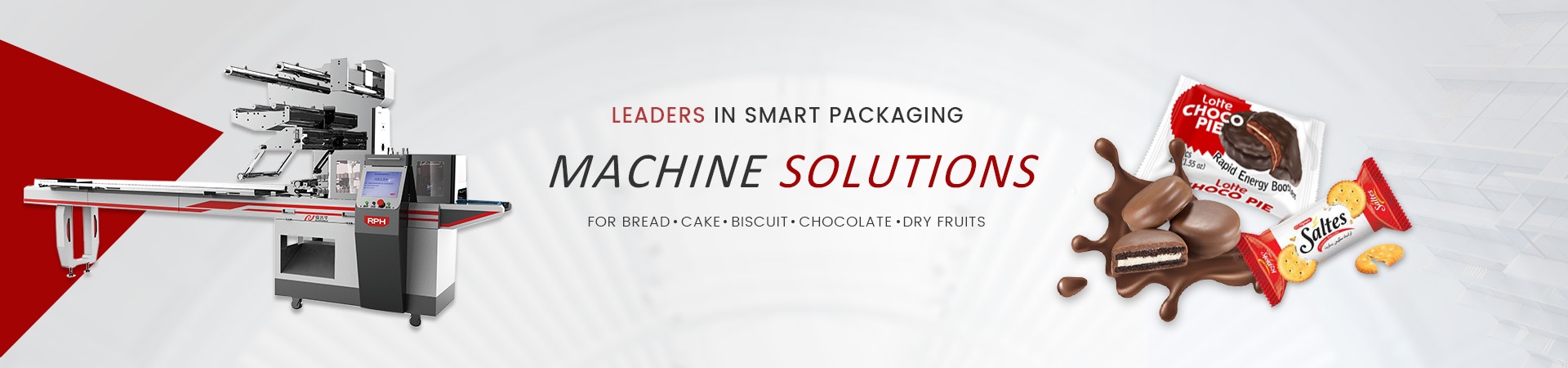
The Environmental Impact of Manual Bread Packing Machines
The Environmental Impact of Manual Bread Packing Machines: A Hidden Menace
While the convenience of packaged bread is undeniable, its environmental toll often remains overlooked. Manual bread packing machines, despite their seemingly innocuous presence, contribute significantly to the rising tide of pollution.
Plastic Proliferation:
Manual bread packing machines rely heavily on plastic wrapping to protect the bread from spoilage. This proliferation of single-use plastic results in massive amounts of non-biodegradable waste. According to the Environmental Protection Agency, Americans discard approximately 30 million tons of plastic each year, and packaging materials constitute a significant portion of this waste.
Energy Consumption:
The operation of manual bread packing machines requires substantial energy consumption. The machines rely on electricity to power their motors and other components. This energy consumption contributes to greenhouse gas emissions, exacerbating climate change and its devastating effects on our planet.
Chemical Residues:
The plastic wrapping used in manual bread packing machines often contains chemical additives to enhance its durability and barrier properties. These chemicals, such as bisphenol A (BPA) and phthalates, pose serious health risks to humans and the environment. Studies have linked BPA exposure to developmental disorders, reproductive problems, and increased cancer risk.
Deforestation:
The production of paper and cardboard used in bread packaging contributes to deforestation. As demand for packaging materials grows, more trees are felled, leading to habitat loss, biodiversity decline, and soil erosion.
Solutions:
To mitigate the environmental impact of manual bread packing machines, several solutions can be implemented:
Invest in Reusable Packaging: Encourage the use of reusable containers or bread bags that can be washed and reused multiple times.
Reduce Plastic Consumption: Promote the use of biodegradable or compostable packaging materials to minimize plastic pollution.
Optimize Energy Efficiency: Upgrade machines to energy-efficient models or explore renewable energy sources to power their operation.
Minimize Chemical Residues: Opt for packaging materials that are free of harmful chemicals to protect human health and the environment.
Support Sustainable Forestry: Encourage the use of certified wood products to ensure responsible forest management practices.
By addressing the environmental impact of manual bread packing machines, we can reduce pollution, conserve natural resources, and create a more sustainable future for generations to come. Let us not underestimate the hidden menace lurking within these seemingly innocuous machines and take proactive steps to mitigate their environmental toll.

-
01
How do I choose the right speed for a toas bread packaging line to avoid crushing soft loaves?
22-06-2026 -
 02
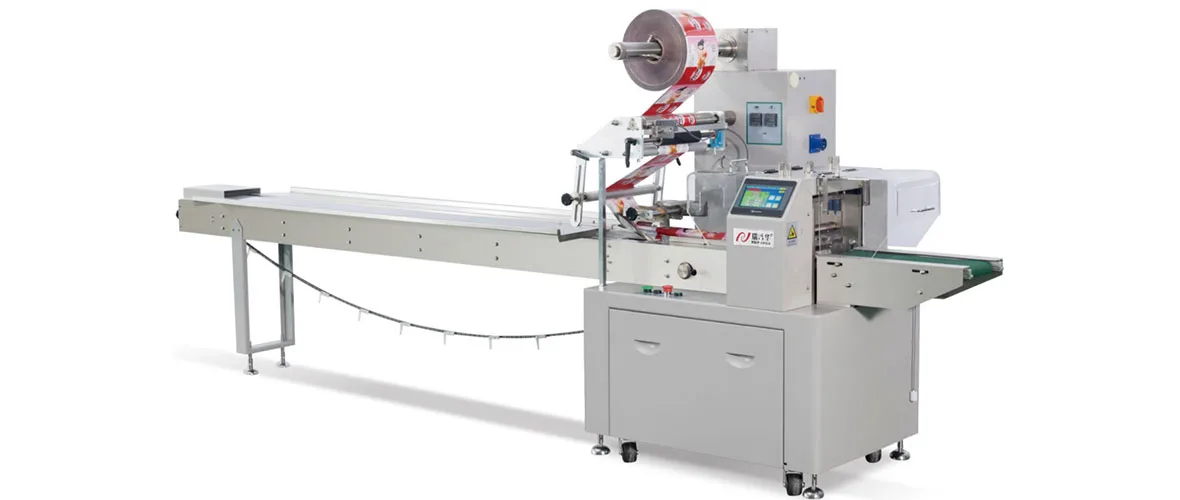
02Packaging Machinery: Beyond Sealing, Driving an Efficient, Smart, and Sustainable Future
21-01-2026 -
 03
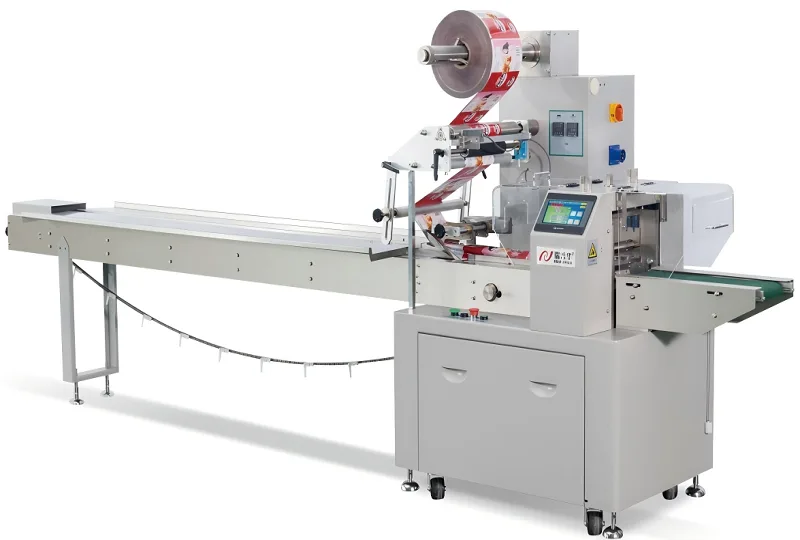
03Automatic Tray Loading and Packaging Equipment: Boost Efficiency to 160 Bags/Minute
21-11-2025 -
 04
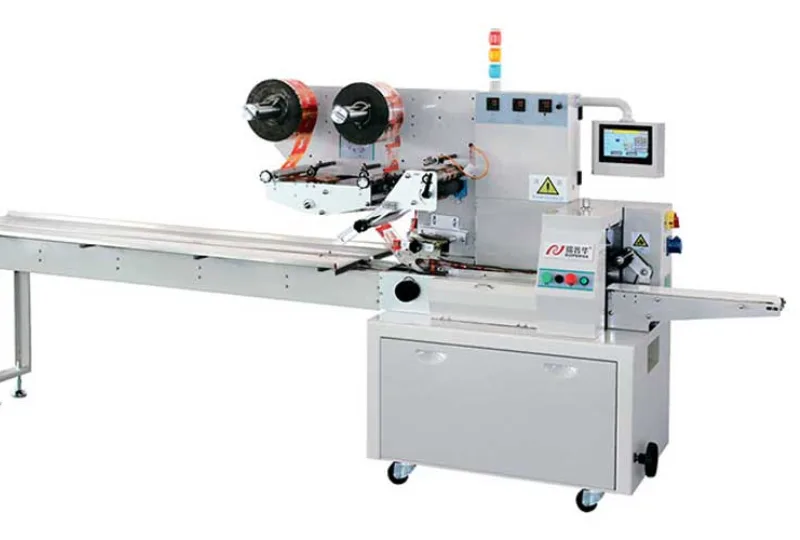
04Automatic Soap Packaging Machine: Boost Productivity with 99% Qualification Rate
21-11-2025 -
 05
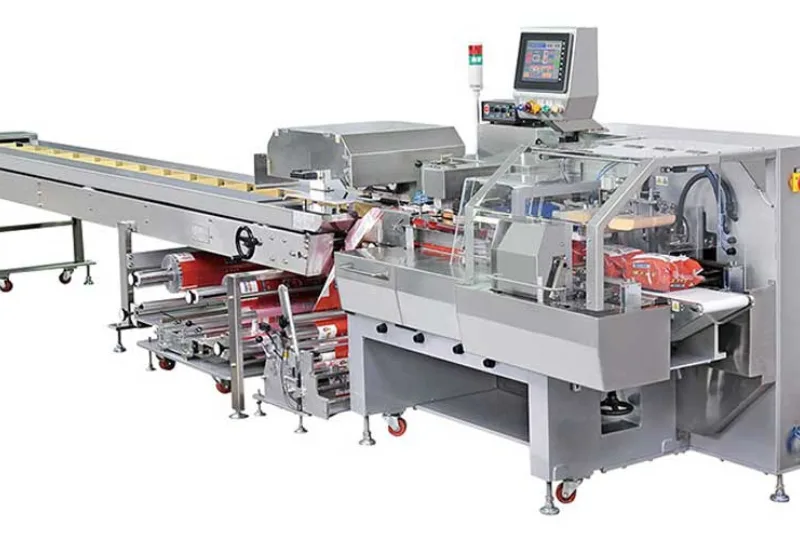
05A Deep Dive into Automatic Toast Processing and Packaging System
18-11-2025 -
06
The Future of Bakery Production: Automated Toast Processing and Packaging System
18-11-2025 -
 07
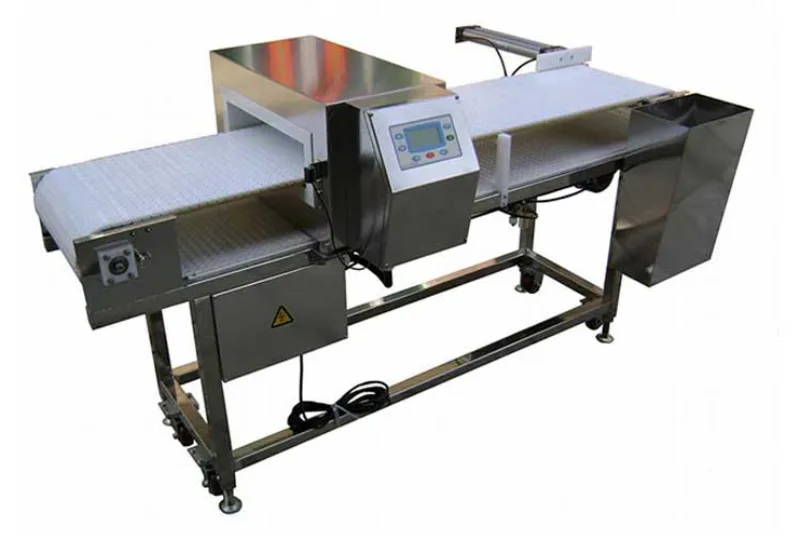
07Reliable Food Packaging Solutions with China Bread, Candy, and Biscuit Machines
11-10-2025 -
 08
08High-Performance Automated Food Packaging Equipment for Modern Production
11-10-2025 -
09
Reliable Pillow Packing Machines for Efficient Packaging Operations
11-10-2025 -
 10
10Advanced Fully Automatic Packaging Solutions for Efficient Production
11-10-2025
