

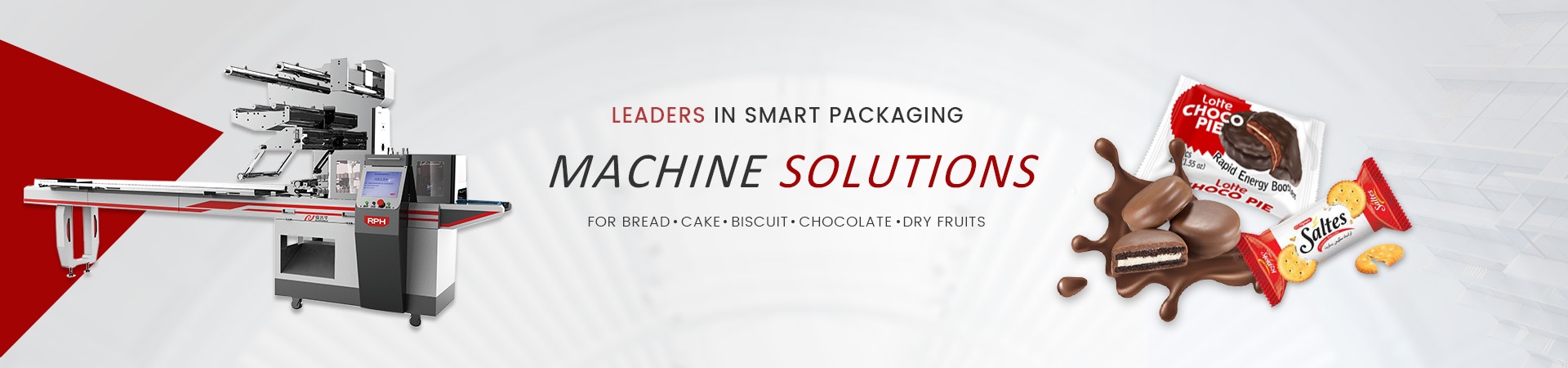
The Environmental Impact of Modern Horizontal Flow Wrap Machines
Introduction:
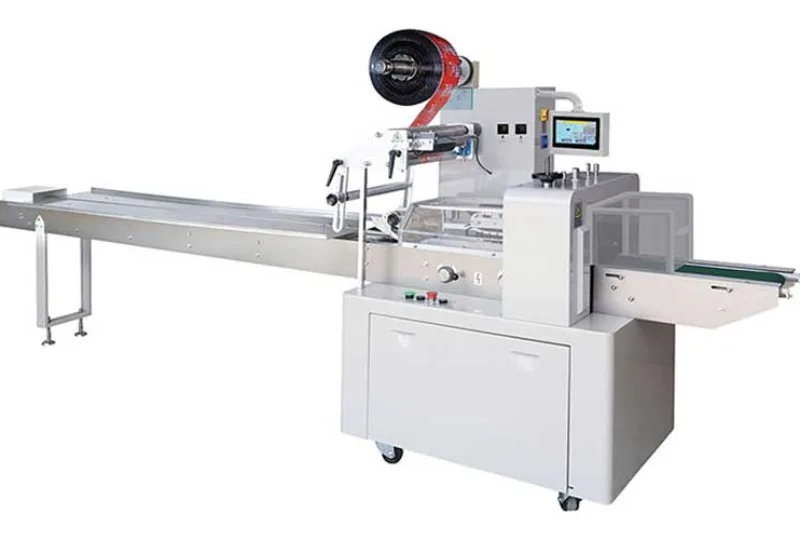
In the realm of packaging, the advent of horizontal flow wrap machines has ushered in an era of efficiency and convenience. However, the relentless pursuit of speed and precision has come at a hidden environmental cost that must be reckoned with.
Environmental Footprint:
Horizontal flow wrap machines consume vast amounts of energy, from their powerful motors to their complex control systems. The production process also generates significant greenhouse gas emissions, primarily due to the use of fossil fuels for powering the machines and manufacturing the packaging materials.
Furthermore, these machines produce large quantities of plastic waste. The wrapping film, often made from non-biodegradable polyethylene, poses a major threat to ecosystems and marine life. Once discarded, it can take hundreds of years to decompose, leaching harmful toxins into the environment.
Sustainability Concerns:
The environmental impact of horizontal flow wrap machines raises pressing sustainability concerns. The excessive consumption of energy and resources, coupled with the generation of plastic waste, is contributing to climate change and pollution.
Moreover, the use of non-biodegradable materials perpetuates a cycle of waste accumulation that ultimately harms humans and wildlife alike.
Solutions for Sustainability:
Addressing the environmental impact of horizontal flow wrap machines requires a multifaceted approach. Sustainable solutions include:
Energy-efficient designs: Manufacturers should prioritize the development of machines with energy-saving features, such as variable speed drives and regenerative braking systems.
Renewable energy sources: Powering machines with renewable energy sources, such as solar or wind power, can significantly reduce greenhouse gas emissions.
Biodegradable packaging materials: Replacing non-biodegradable plastics with biodegradable alternatives, such as cellulose or starch-based films, can minimize plastic waste.
Conclusion:
The environmental impact of modern horizontal flow wrap machines must be addressed to ensure a sustainable future for packaging. By adopting energy-efficient designs, transitioning to renewable energy sources, and utilizing biodegradable materials, we can mitigate the negative footprint of these machines while preserving our planet for generations to come.
-
01
How do I choose the right speed for a toas bread packaging line to avoid crushing soft loaves?
22-06-2026 -
 02
02Packaging Machinery: Beyond Sealing, Driving an Efficient, Smart, and Sustainable Future
21-01-2026 -
 03
03Automatic Tray Loading and Packaging Equipment: Boost Efficiency to 160 Bags/Minute
21-11-2025 -
 04
04Automatic Soap Packaging Machine: Boost Productivity with 99% Qualification Rate
21-11-2025 -
 05
05A Deep Dive into Automatic Toast Processing and Packaging System
18-11-2025 -
06
The Future of Bakery Production: Automated Toast Processing and Packaging System
18-11-2025 -
 07
07Reliable Food Packaging Solutions with China Bread, Candy, and Biscuit Machines
11-10-2025 -
 08
08High-Performance Automated Food Packaging Equipment for Modern Production
11-10-2025 -
09
Reliable Pillow Packing Machines for Efficient Packaging Operations
11-10-2025 -
 10
10Advanced Fully Automatic Packaging Solutions for Efficient Production
11-10-2025
