

Troubleshooting Common Issues with Wafer Packaging Lines
In the realm of semiconductor manufacturing, wafer packaging lines are the intricate arteries that breathe life into the silicon hearts of technological advancements. However, even these sophisticated systems can encounter hiccups, threatening to disrupt the delicate flow of production. To navigate these hurdles effectively, it is essential to arm ourselves with a comprehensive troubleshooting toolkit.
One of the most common adversaries faced by wafer packaging engineers is the dreaded “solder ball short.” This electrical gremlin occurs when solder balls used to connect components form an unwanted path, disrupting circuit functionality. Identifying the culprit requires a meticulous examination of the solder joints under a microscope. By inspecting for proper alignment, sufficient wetting, and absence of bridging, engineers can pinpoint the source of the short and rectify it with precision.
Another nemesis that plagues wafer packaging lines is the enigmatic “die shift.” This mischievous phantom strikes when the delicate silicon die becomes misaligned within its packaging. Consequences range from reduced device performance to catastrophic failures. To combat die shift, engineers employ a combination of advanced metrology equipment and sophisticated alignment techniques. By precisely controlling the position of the die during packaging, they prevent this sneaky saboteur from wreaking havoc.
Unforeseen interruptions can also arise from seemingly innocuous sources. Take for instance the humble “dust particle.” These microscopic intruders can settle on the wafer surface, causing defects in the packaging process. To combat this insidious threat, engineers implement stringent cleanroom protocols and utilize particle detection systems to keep the manufacturing environment pristine. By eliminating even the most minute contaminants, they safeguard the integrity of the wafer packaging process.
Addressing these common issues requires a keen eye, a methodical approach, and a deep understanding of the packaging process. Engineers must possess not only technical expertise but also the ability to think critically and problem-solve under pressure. By embracing the principles of troubleshooting, they can minimize downtime, ensure product quality, and keep the wafer packaging lines humming along like a well-oiled machine.



-
01
How do I choose the right speed for a toas bread packaging line to avoid crushing soft loaves?
22-06-2026 -
 02
02Packaging Machinery: Beyond Sealing, Driving an Efficient, Smart, and Sustainable Future
21-01-2026 -
 03
03Automatic Tray Loading and Packaging Equipment: Boost Efficiency to 160 Bags/Minute
21-11-2025 -
 04
04Automatic Soap Packaging Machine: Boost Productivity with 99% Qualification Rate
21-11-2025 -
 05
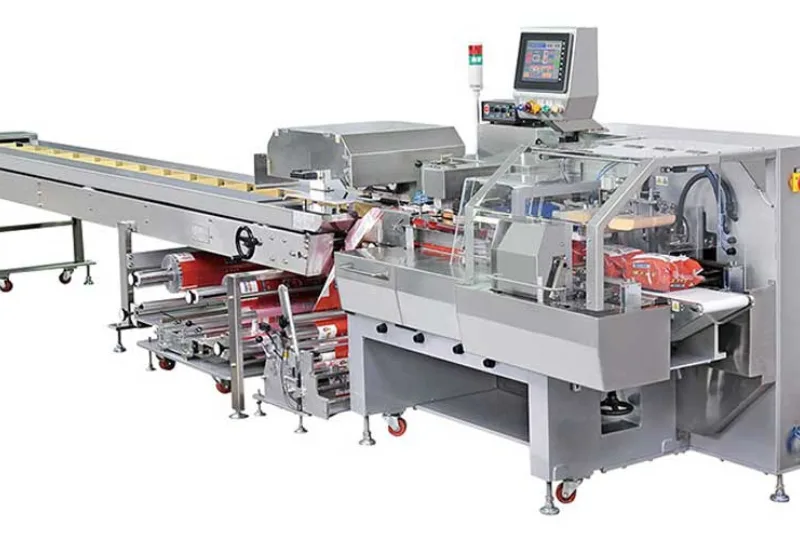
05A Deep Dive into Automatic Toast Processing and Packaging System
18-11-2025 -
06
The Future of Bakery Production: Automated Toast Processing and Packaging System
18-11-2025 -
 07
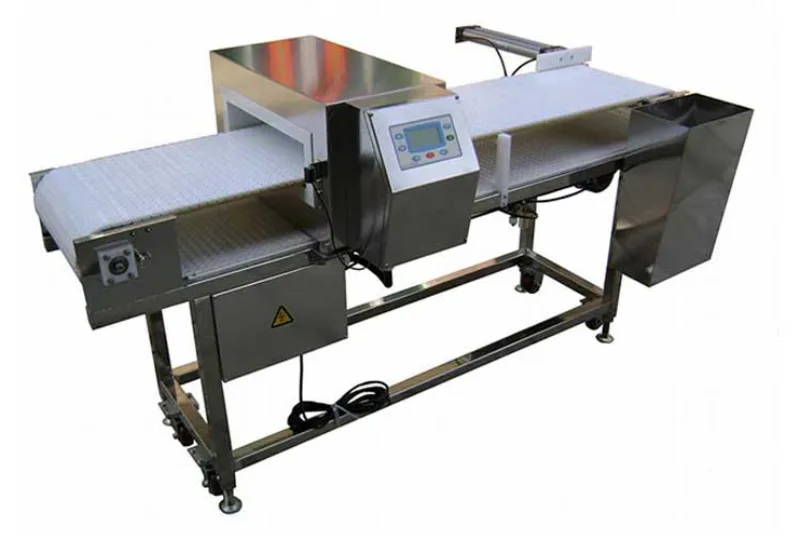
07Reliable Food Packaging Solutions with China Bread, Candy, and Biscuit Machines
11-10-2025 -
 08
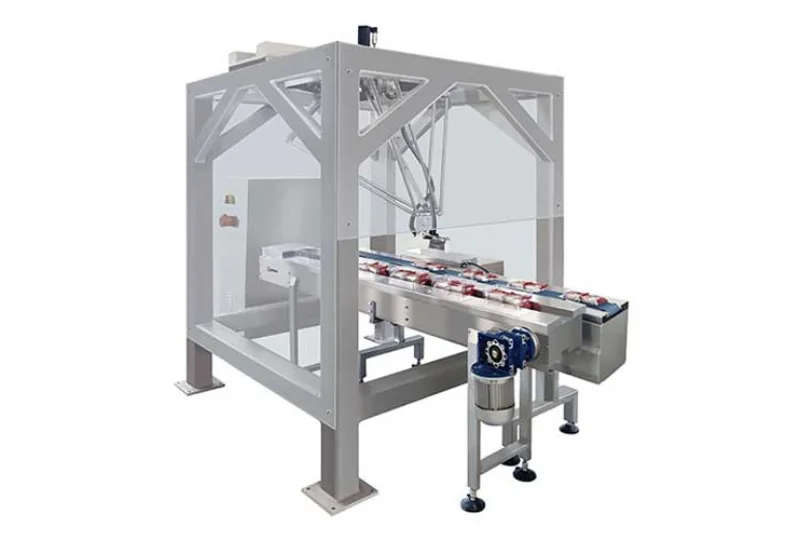
08High-Performance Automated Food Packaging Equipment for Modern Production
11-10-2025 -
09
Reliable Pillow Packing Machines for Efficient Packaging Operations
11-10-2025 -
 10
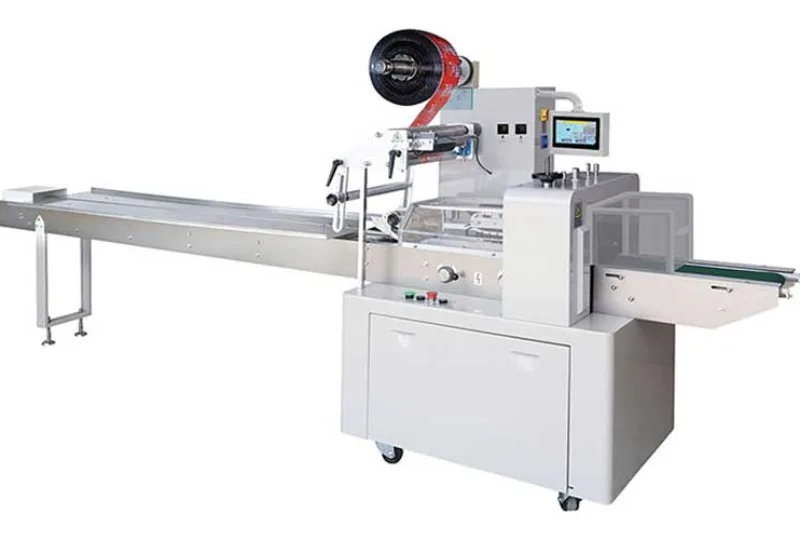
10Advanced Fully Automatic Packaging Solutions for Efficient Production
11-10-2025
