

Understanding the Cost-Benefit Analysis of Cucumber Flow Packaging
Introduction
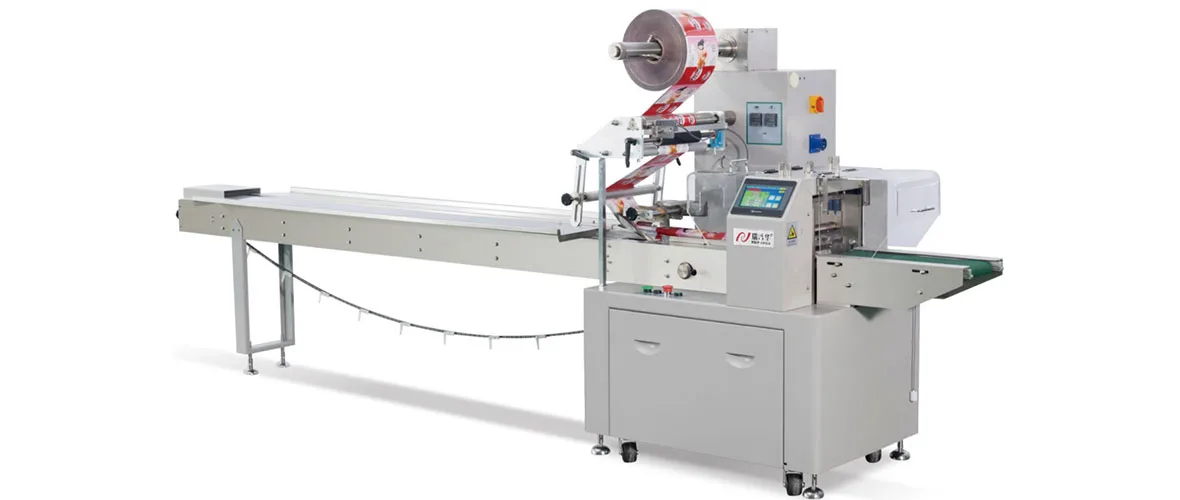
Understanding the Cost-Benefit Analysis of Cucumber Flow Packaging is a comprehensive study that evaluates the economic and environmental implications of using flow packaging for cucumbers. This article will delve into the salient aspects of this analysis, providing insights into its implications for both producers and consumers.
Benefits of Flow Packaging
1. Reduced Labor Costs
Flow packaging automates the packaging process, significantly reducing the need for manual labor. This efficiency improvement leads to lower production costs, which can be passed on to consumers as reduced prices.
2. Enhanced Product Quality and Shelf Life
Flow packaging provides a protective barrier against moisture, oxygen, and other environmental factors that can degrade cucumber quality. This extended shelf life reduces spoilage and waste, resulting in higher profits for producers and lower costs for consumers.
3. Improved Logistics Efficiency
Flow packaging simplifies the handling and transportation of cucumbers. The uniform shape and size of flow-packaged cucumbers make them easier to stack and palletize, reducing shipping and storage costs.
Costs of Flow Packaging
1. Capital Investment
Flow packaging machines require a significant capital investment, which can be a barrier to entry for small-scale producers. The cost of the machine, installation, and maintenance must be carefully considered.
2. Packaging Materials
Flow packaging requires specialized materials such as heat-sealable films and cushioning materials. These materials add to the overall packaging cost, which should be factored into the benefit-cost analysis.
3. Energy Consumption
Flow packaging machines require electricity to operate. The energy consumption should be taken into account when assessing the environmental impact and overall cost-effectiveness of the packaging method.
Environmental Considerations
1. Material Use
Flow packaging involves the use of plastic materials, which can have environmental concerns associated with its production and disposal. However, it’s important to consider the reduced spoilage and waste that flow packaging enables, which can potentially offset the environmental impact.
2. Energy Efficiency
While flow packaging machines require energy to operate, they can also contribute to energy savings by reducing product spoilage and the associated energy expenses involved in food storage and transportation.
Conclusion
Understanding the Cost-Benefit Analysis of Cucumber Flow Packaging provides valuable insights for stakeholders involved in the cucumber industry. By carefully weighing the benefits against the costs, producers can make informed decisions about the adoption of flow packaging. Consumers can also benefit from the improved quality, reduced prices, and increased availability of flow-packaged cucumbers. Ultimately, this analysis contributes to the optimization of cucumber packaging practices for both economic and environmental sustainability.

-
01
How do I choose the right speed for a toas bread packaging line to avoid crushing soft loaves?
22-06-2026 -
 02
02Packaging Machinery: Beyond Sealing, Driving an Efficient, Smart, and Sustainable Future
21-01-2026 -
 03
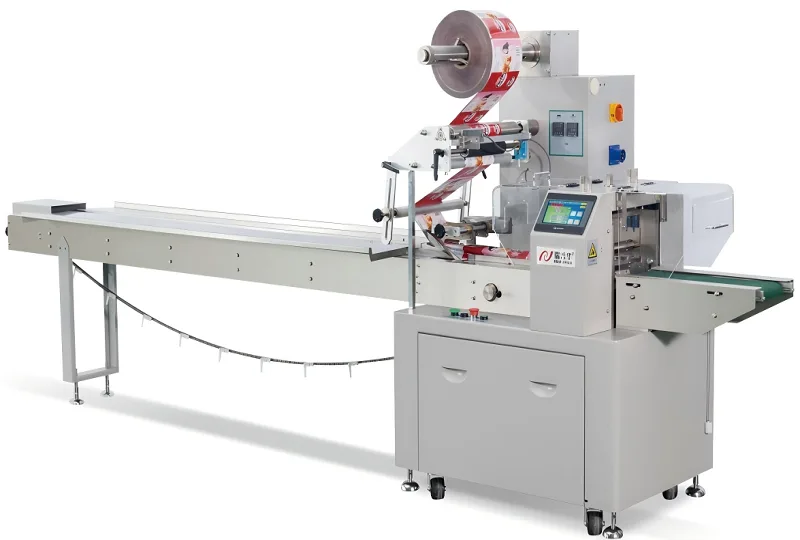
03Automatic Tray Loading and Packaging Equipment: Boost Efficiency to 160 Bags/Minute
21-11-2025 -
 04
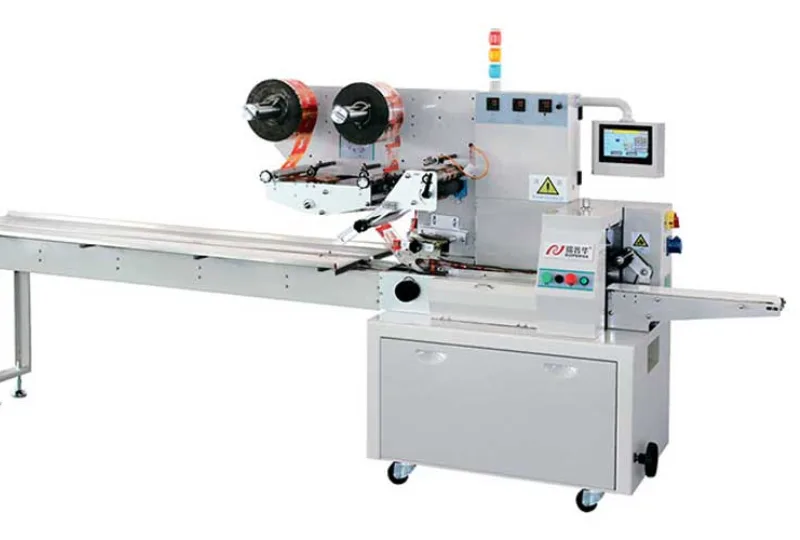
04Automatic Soap Packaging Machine: Boost Productivity with 99% Qualification Rate
21-11-2025 -
 05
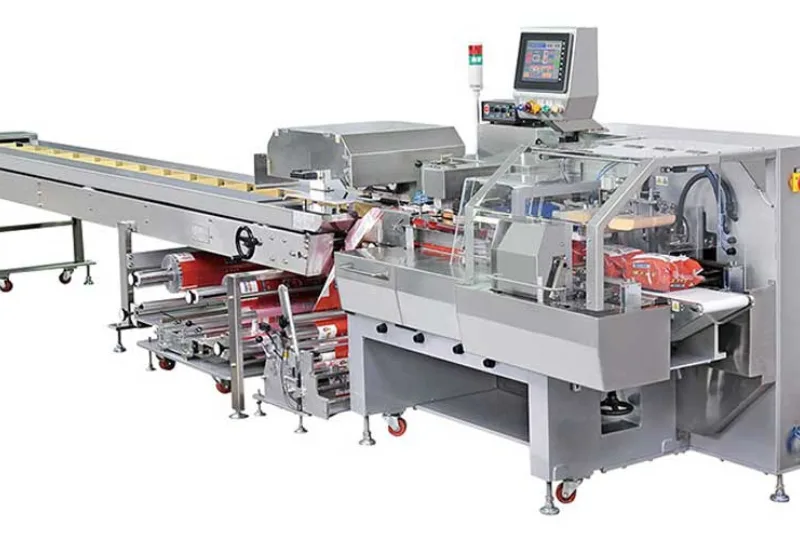
05A Deep Dive into Automatic Toast Processing and Packaging System
18-11-2025 -
06
The Future of Bakery Production: Automated Toast Processing and Packaging System
18-11-2025 -
 07
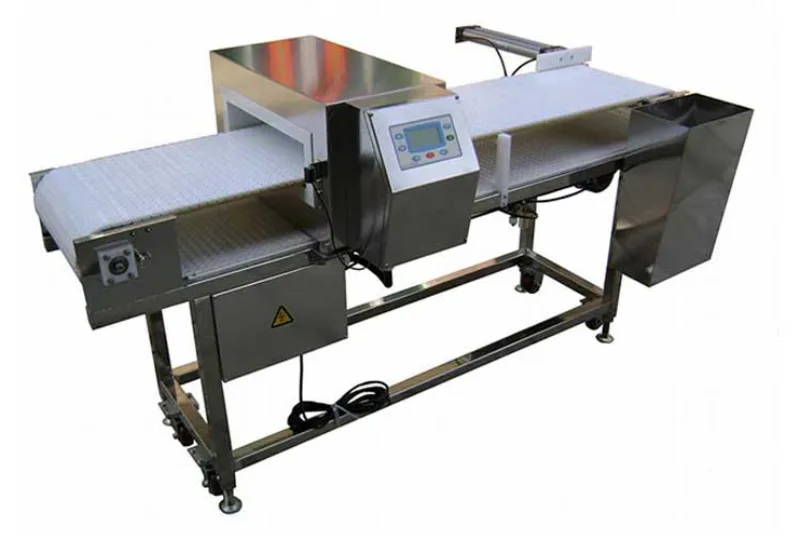
07Reliable Food Packaging Solutions with China Bread, Candy, and Biscuit Machines
11-10-2025 -
 08
08High-Performance Automated Food Packaging Equipment for Modern Production
11-10-2025 -
09
Reliable Pillow Packing Machines for Efficient Packaging Operations
11-10-2025 -
 10
10Advanced Fully Automatic Packaging Solutions for Efficient Production
11-10-2025
