

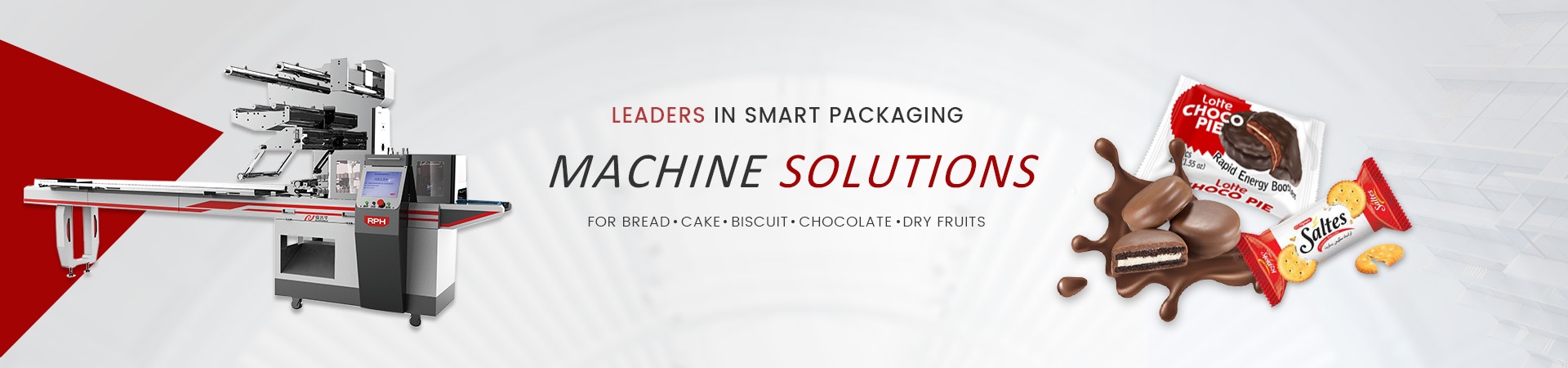
Understanding the Mechanics of Cookie Packing Machines
Cookies, a delightful treat enjoyed by people of all ages, are often packaged in convenient and visually appealing ways. The machines responsible for this intricate process are marvels of engineering, designed to handle delicate cookies with precision while ensuring optimal freshness and presentation. This article delves into the fascinating mechanics of cookie packing machines, exploring the key components and their seamless interplay to create perfectly packaged cookie delights.
Conveyor Systems and Cookie Handling
At the heart of a cookie packing machine is a conveyor system that transports cookies from one stage to the next. These conveyors typically consist of food-grade belts or mesh screens designed to gently move cookies without damaging their fragile structure. Sensors monitor the flow of cookies, ensuring consistent spacing and proper alignment for efficient packing.
Counting and Orienting Devices
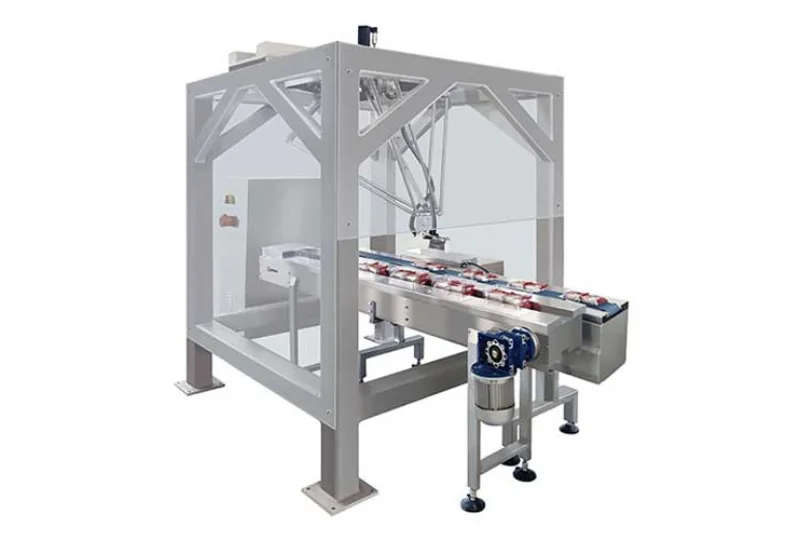
Before cookies can be packaged, they need to be accurately counted and oriented. This task is accomplished by various sensors and actuators. Optical sensors, such as photocells or cameras, detect the presence of cookies, while pneumatic actuators or robotic arms gently manipulate cookies into precise positions for packaging.
Bagging and Sealing Systems
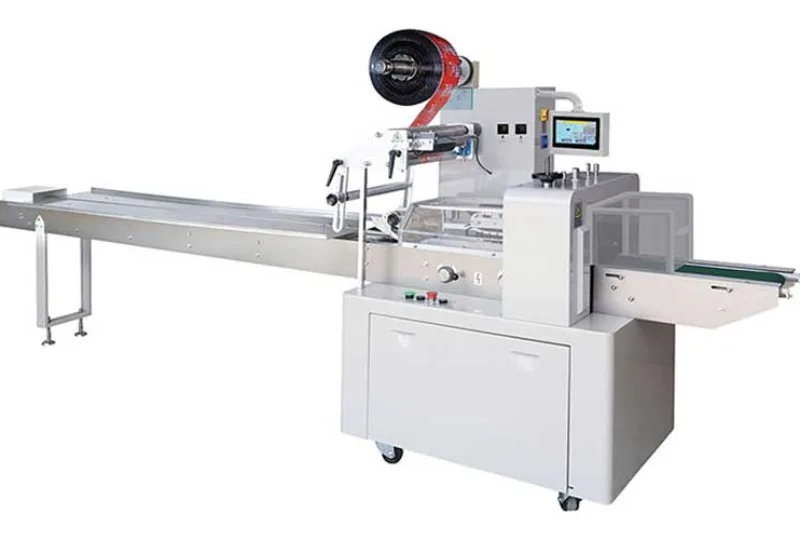
The next step involves placing cookies into bags or packages. Bagging machines utilize a forming tube to create the desired bag shape and size from a continuous film roll. Once filled with cookies, the bags are sealed using various methods such as heat sealing, adhesive sealing, or ultrasonic welding.
Weighing and Inspection
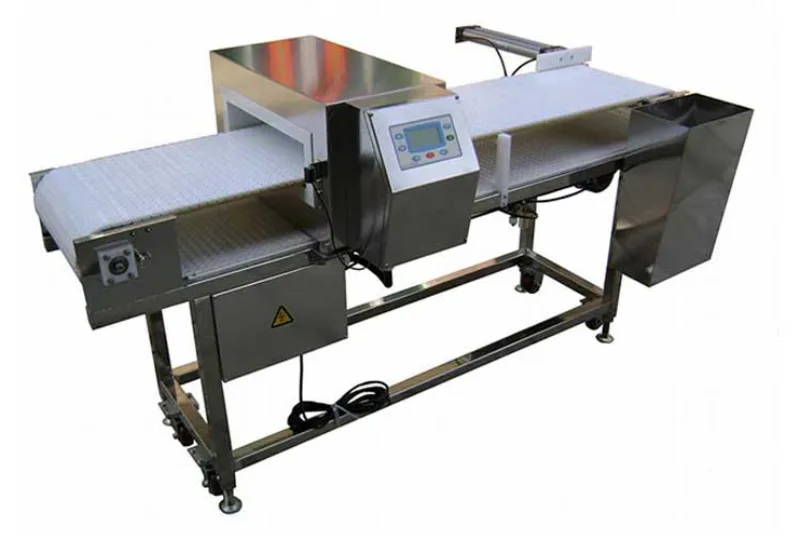
To ensure accuracy and consistency, cookie packing machines incorporate weighing systems. Highly sensitive scales measure the weight of each cookie and reject those that fall outside the specified range. Additionally, inspection devices, such as metal detectors, X-ray machines, and vision systems, check for foreign objects, defects, or other quality issues.
Final Packaging
After the cookies are weighed and inspected, they are transported to the final packaging stage. This may involve placing the bagged cookies into a carton or box, which is then sealed and labeled for distribution. Some machines incorporate automated labeling systems that apply both product information and promotional materials.
Maintenance and Sanitation
To ensure optimal performance and prevent contamination, cookie packing machines require regular maintenance and sanitation. Cleaning and lubrication procedures are crucial for maintaining hygiene and preventing breakdowns. Additionally, regular inspections and software updates ensure the machine’s accuracy and efficiency over time.
Conclusion
Understanding the mechanics of cookie packing machines is essential for appreciating the intricate process behind the production of our favorite packaged cookies. From the gentle handling of delicate treats to the precise counting and packaging, these machines combine engineering marvels with unwavering precision to deliver perfectly packaged cookie delights to consumers worldwide.



-
01
How do I choose the right speed for a toas bread packaging line to avoid crushing soft loaves?
22-06-2026 -
 02
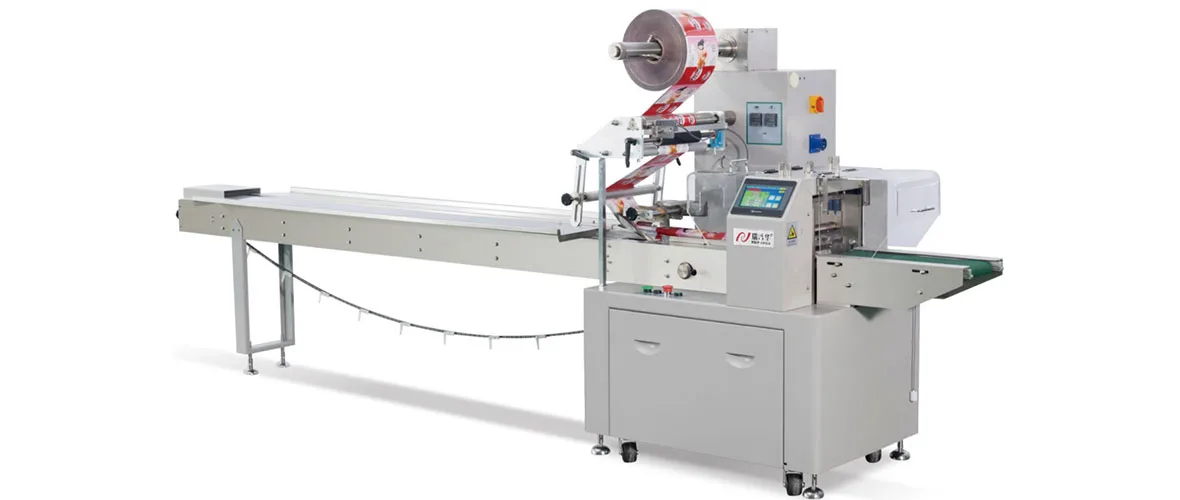
02Packaging Machinery: Beyond Sealing, Driving an Efficient, Smart, and Sustainable Future
21-01-2026 -
 03
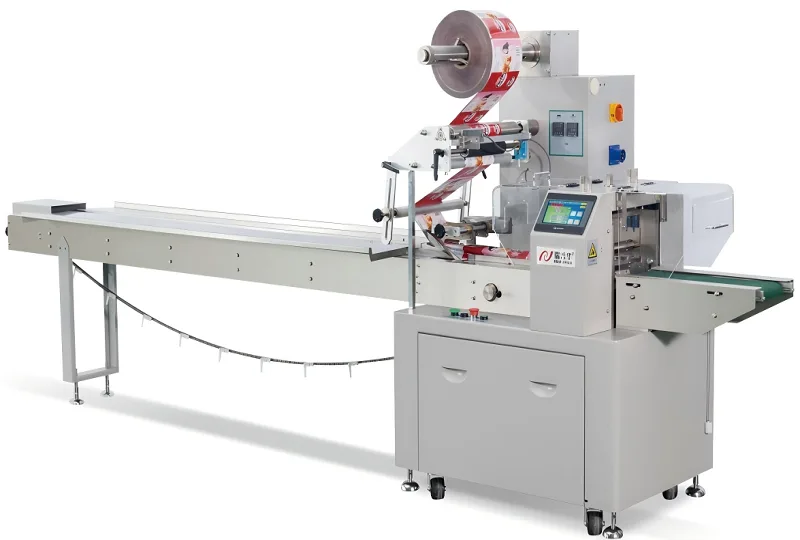
03Automatic Tray Loading and Packaging Equipment: Boost Efficiency to 160 Bags/Minute
21-11-2025 -
 04
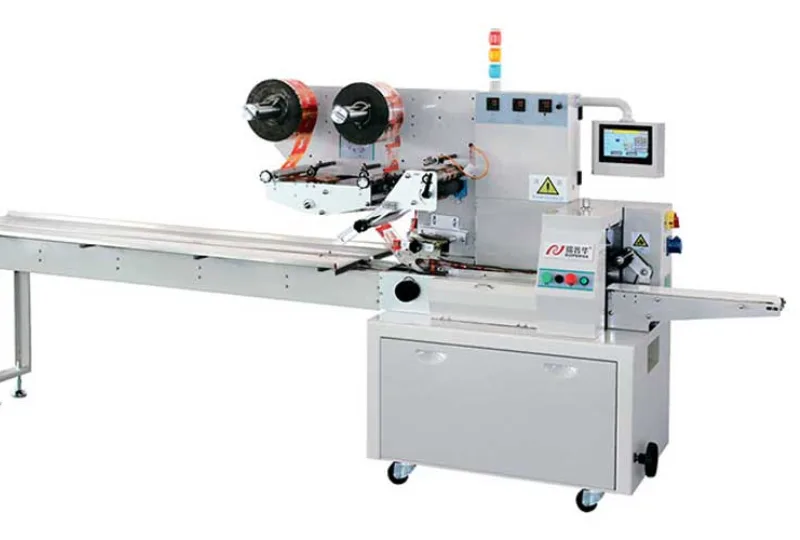
04Automatic Soap Packaging Machine: Boost Productivity with 99% Qualification Rate
21-11-2025 -
 05
05A Deep Dive into Automatic Toast Processing and Packaging System
18-11-2025 -
06
The Future of Bakery Production: Automated Toast Processing and Packaging System
18-11-2025 -
 07
07Reliable Food Packaging Solutions with China Bread, Candy, and Biscuit Machines
11-10-2025 -
 08
08High-Performance Automated Food Packaging Equipment for Modern Production
11-10-2025 -
09
Reliable Pillow Packing Machines for Efficient Packaging Operations
11-10-2025 -
 10
10Advanced Fully Automatic Packaging Solutions for Efficient Production
11-10-2025
