

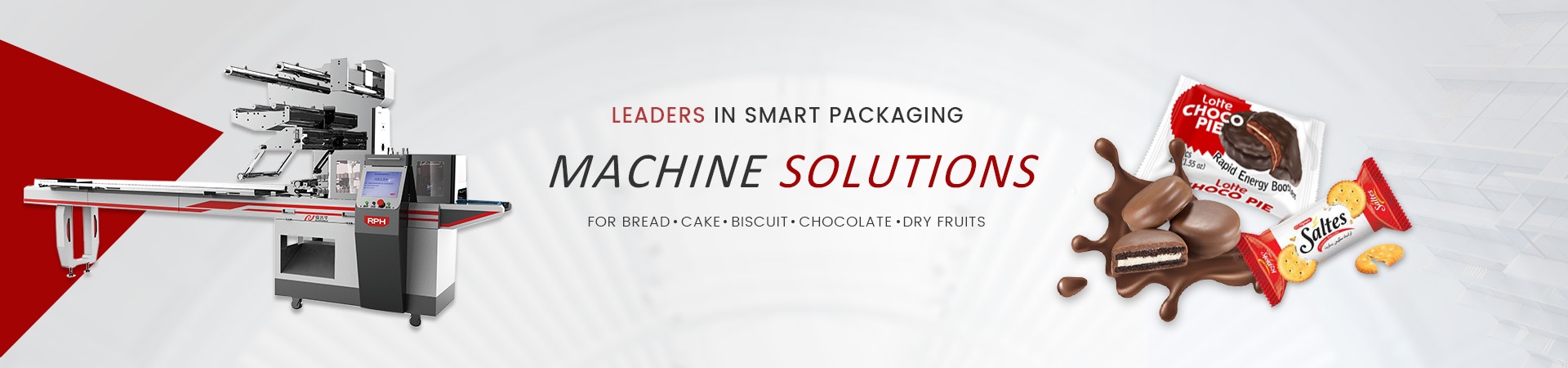
Troubleshooting Common Issues with Cereal Bar Packing Machinery
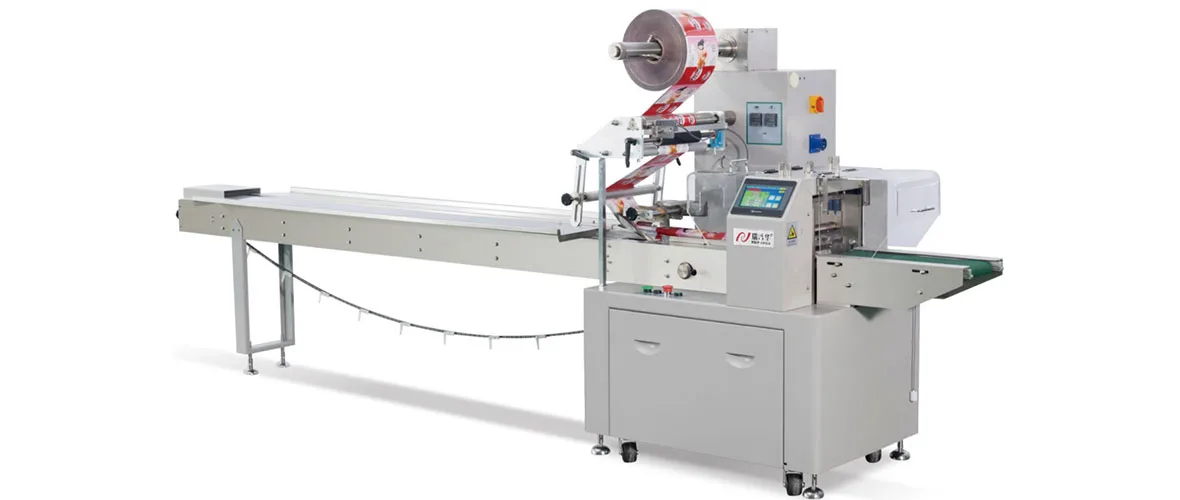
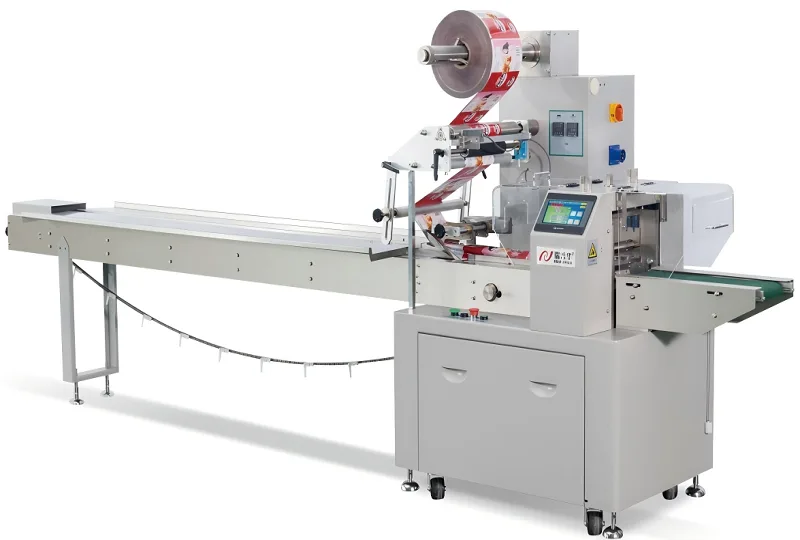
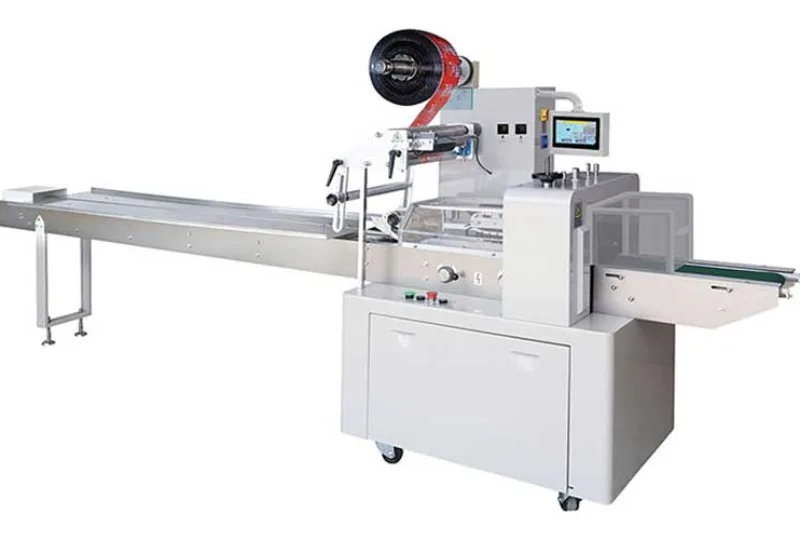
Cereal bar packing machinery is a vital component of the food processing industry. These machines ensure that cereal bars are packaged in a way that maintains their freshness, flavor, and integrity. However, even the most well-maintained machinery can experience issues from time to time. Troubleshooting these issues quickly and effectively is essential to minimize downtime and ensure that production schedules are met.
Mechanical Issues
Conveyor jams: Conveyor jams can be caused by a variety of factors, including product buildup, misaligned sensors, or worn belts. To resolve a conveyor jam, first clear the product buildup or debris that is causing the jam. Then, check the sensors to make sure they are aligned properly and that they are functioning correctly. Finally, inspect the belt for signs of wear or damage and replace it if necessary.
Sealing issues: Sealing issues can occur when the sealing jaws are not aligned properly, the sealing temperature is too low, or the sealing time is too short. To resolve a sealing issue, first check the alignment of the sealing jaws and make sure that they are making contact with each other. Then, increase the sealing temperature or sealing time until the seal is secure.
Cutting issues: Cutting issues can occur when the cutting blade is dull, the cutting speed is too high, or the product is too hard. To resolve a cutting issue, first sharpen the cutting blade or replace it if it is damaged. Then, adjust the cutting speed to the appropriate setting for the product being packaged. Finally, check the hardness of the product and make sure that it is within the acceptable range for the machine.
Electrical Issues
Power outages: Power outages can occur due to a variety of factors, including power surges, tripped circuit breakers, or faulty wiring. To resolve a power outage, first check the power source to make sure that it is active. Then, reset any tripped circuit breakers or fuses. Finally, inspect the wiring for any signs of damage and repair or replace any damaged wires.
Motor failures: Motor failures can occur due to a variety of factors, including overheating, electrical overloads, or bearing failure. To resolve a motor failure, first check the motor for signs of overheating or electrical damage. Then, check the motor bearings for signs of wear or damage and replace them if necessary. Finally, make sure that the motor is properly sized for the application and that it is not being overloaded.
Sensor failures: Sensor failures can occur due to a variety of factors, including contamination, misalignment, or damage. To resolve a sensor failure, first clean the sensor and make sure that it is properly aligned. Then, check the sensor for signs of damage and replace it if necessary. Finally, make sure that the sensor is properly wired and that it is receiving the correct power supply.
Software Issues
Program errors: Program errors can occur due to a variety of factors, including incorrect programming, corrupted data, or software bugs. To resolve a program error, first check the program for any errors in logic or syntax. Then, check the data to make sure that it is valid and that it is being used correctly by the program. Finally, update the software to the latest version to fix any known bugs.
Communication errors: Communication errors can occur due to a variety of factors, including incorrect communication settings, faulty cables, or network problems. To resolve a communication error, first check the communication settings to make sure that they are correct. Then, check the cables to make sure that they are properly connected and that they are not damaged. Finally, check the network to make sure that it is active and that there are no problems with the connection.
System crashes: System crashes can occur due to a variety of factors, including hardware failures, software errors, or power outages. To resolve a system crash, first check the hardware to make sure that it is functioning properly. Then, check the software for any errors or bugs. Finally, make sure that the system is properly powered and that there are no power outages or surges.


-
01
How do I choose the right speed for a toas bread packaging line to avoid crushing soft loaves?
22-06-2026 -
 02
02Packaging Machinery: Beyond Sealing, Driving an Efficient, Smart, and Sustainable Future
21-01-2026 -
 03
03Automatic Tray Loading and Packaging Equipment: Boost Efficiency to 160 Bags/Minute
21-11-2025 -
 04
04Automatic Soap Packaging Machine: Boost Productivity with 99% Qualification Rate
21-11-2025 -
 05
05A Deep Dive into Automatic Toast Processing and Packaging System
18-11-2025 -
06
The Future of Bakery Production: Automated Toast Processing and Packaging System
18-11-2025 -
 07
07Reliable Food Packaging Solutions with China Bread, Candy, and Biscuit Machines
11-10-2025 -
 08
08High-Performance Automated Food Packaging Equipment for Modern Production
11-10-2025 -
09
Reliable Pillow Packing Machines for Efficient Packaging Operations
11-10-2025 -
 10
10Advanced Fully Automatic Packaging Solutions for Efficient Production
11-10-2025
