

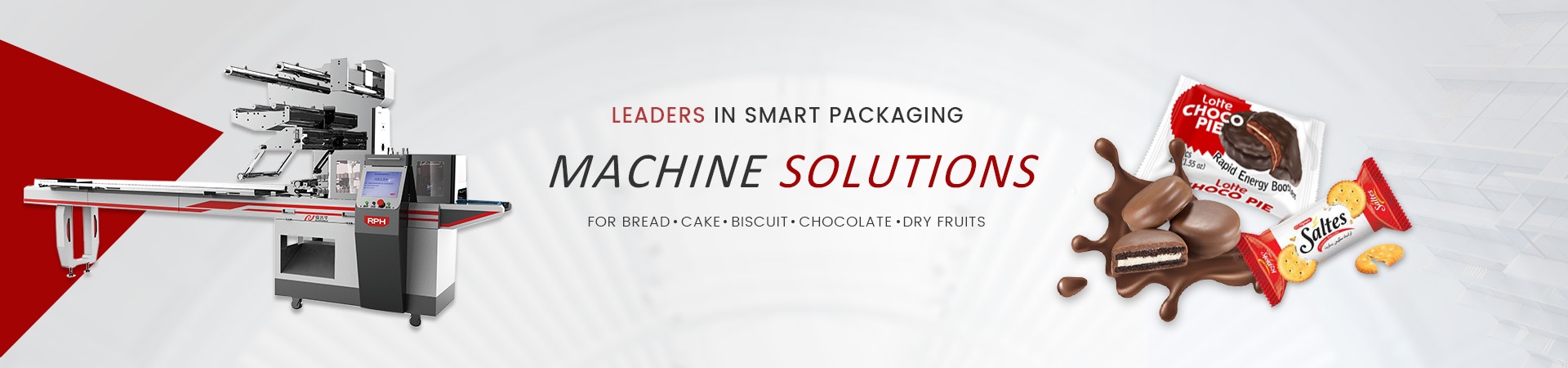
The Science Behind Cereal Bar Packing- How It Works
The article “The Science Behind Cereal Bar Packing: How It Works” delves into the intricate science that ensures the freshness, flavor, and nutritional value of cereal bars throughout their shelf life. By understanding the underlying principles, manufacturers can optimize packaging techniques to maintain the integrity and appeal of these popular snacks.
Protective Barrier Against Moisture and Oxygen
Cereal bars are highly susceptible to moisture and oxygen, which can degrade their texture, flavor, and nutritional content. Packaging plays a crucial role in creating a protective barrier against these external factors.
– Moisture Barriers: Cereal bar packaging often incorporates moisture-resistant materials, such as polyethylene or aluminum foil, to prevent moisture ingress. Moisture can soften the bars, making them chewy and less appealing.
– Oxygen Barriers: Oxygen can cause oxidation, leading to rancidity and loss of flavor in cereal bars. Packaging materials with high oxygen barrier properties, such as metallized films or multilayer laminates, are employed to minimize oxygen exposure.
Preservation of Nutritional Value
Cereal bars are often fortified with vitamins and minerals, making their nutritional value an important consideration. The packaging process must preserve these nutrients to ensure consumer health and satisfaction.
– Light Protection: Light can degrade certain vitamins, such as vitamin A and riboflavin. Packaging materials that block or filter light, such as amber or opaque films, are used to prevent nutrient loss.
– Temperature Control: Extreme temperatures can also affect nutrient stability. Packaging materials with insulating properties, such as corrugated cardboard or bubble wrap, can protect cereal bars from temperature fluctuations during storage and transportation.
Maintaining Freshness and Flavor
The freshness and flavor of cereal bars are paramount to consumer enjoyment. Packaging techniques are employed to preserve these sensory attributes.
– Controlled Atmosphere: Some packaging methods involve creating a controlled atmosphere within the package. This may involve replacing the air with nitrogen or other inert gases to reduce oxidation and preserve flavor.
– Scavengers: Oxygen scavenger sachets can be added to the packaging to absorb any residual oxygen that may penetrate the barrier materials. This helps prevent flavor deterioration and rancidity.
Structural Integrity and Convenience
In addition to protecting the cereal bars from external factors, the packaging must also provide structural integrity and convenience for consumers.
– Structural Strength: The packaging must be able to withstand the rigors of transportation and handling without breaking or tearing. Materials such as corrugated cardboard or plastic trays provide the necessary strength.
– Convenience: Packaging design should consider consumer convenience. Resealable bags or easy-to-open wrappers allow consumers to access and reseal the bars as needed.
Conclusion
The article “The Science Behind Cereal Bar Packing: How It Works” provides a comprehensive overview of the scientific principles that underpin cereal bar packaging. By incorporating moisture barriers, oxygen barriers, light protection, temperature control, controlled atmosphere, scavengers, and ensuring structural integrity and convenience, manufacturers can create packaging that preserves the freshness, flavor, and nutritional value of cereal bars throughout their shelf life.

-
01
How do I choose the right speed for a toas bread packaging line to avoid crushing soft loaves?
22-06-2026 -
 02
02Packaging Machinery: Beyond Sealing, Driving an Efficient, Smart, and Sustainable Future
21-01-2026 -
 03
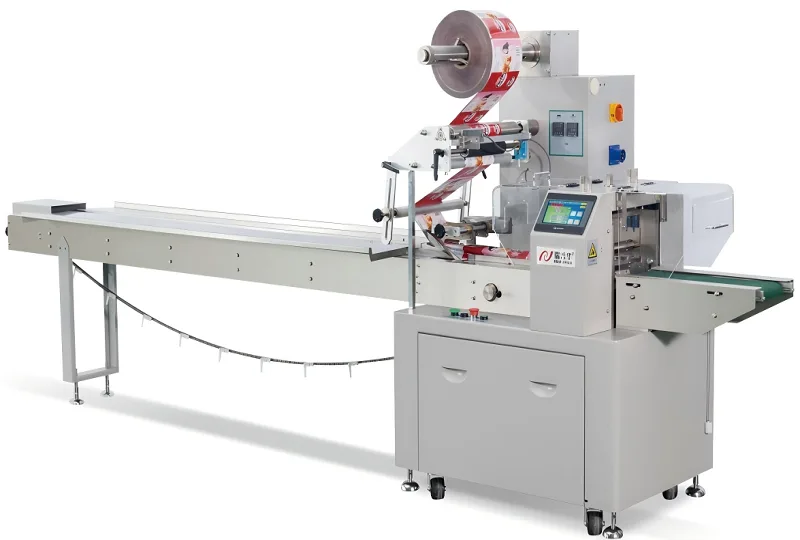
03Automatic Tray Loading and Packaging Equipment: Boost Efficiency to 160 Bags/Minute
21-11-2025 -
 04
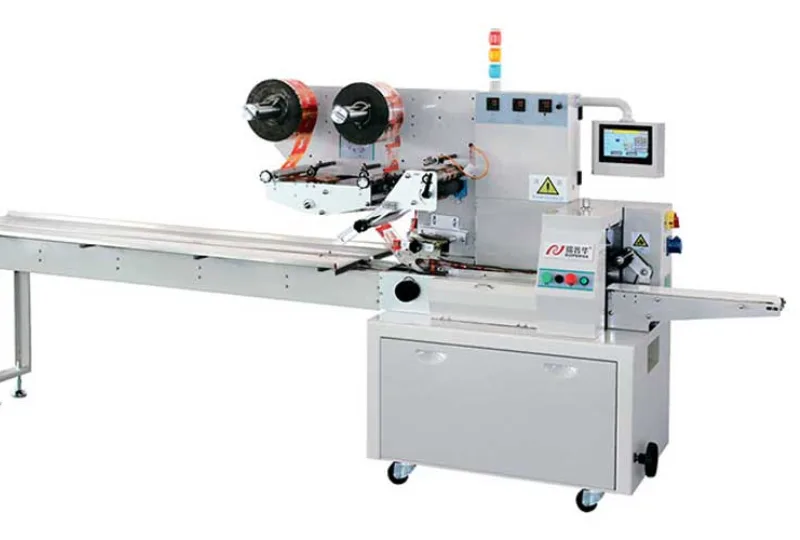
04Automatic Soap Packaging Machine: Boost Productivity with 99% Qualification Rate
21-11-2025 -
 05
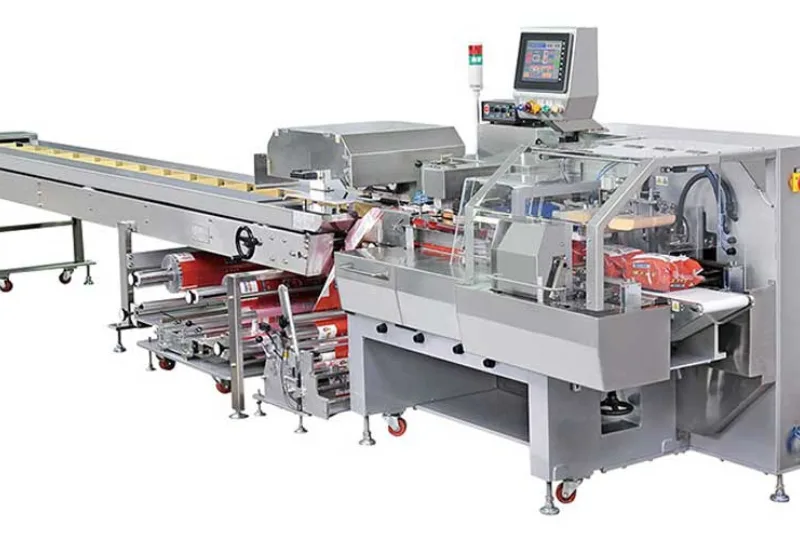
05A Deep Dive into Automatic Toast Processing and Packaging System
18-11-2025 -
06
The Future of Bakery Production: Automated Toast Processing and Packaging System
18-11-2025 -
 07
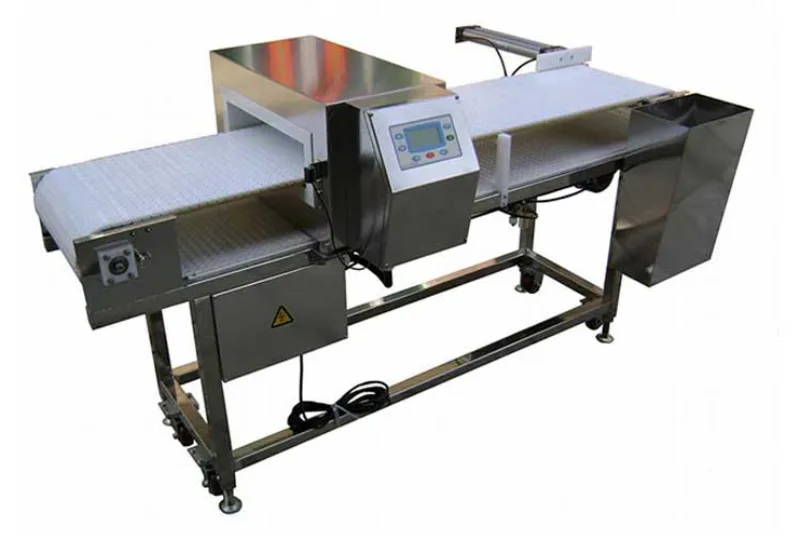
07Reliable Food Packaging Solutions with China Bread, Candy, and Biscuit Machines
11-10-2025 -
 08
08High-Performance Automated Food Packaging Equipment for Modern Production
11-10-2025 -
09
Reliable Pillow Packing Machines for Efficient Packaging Operations
11-10-2025 -
 10
10Advanced Fully Automatic Packaging Solutions for Efficient Production
11-10-2025
