

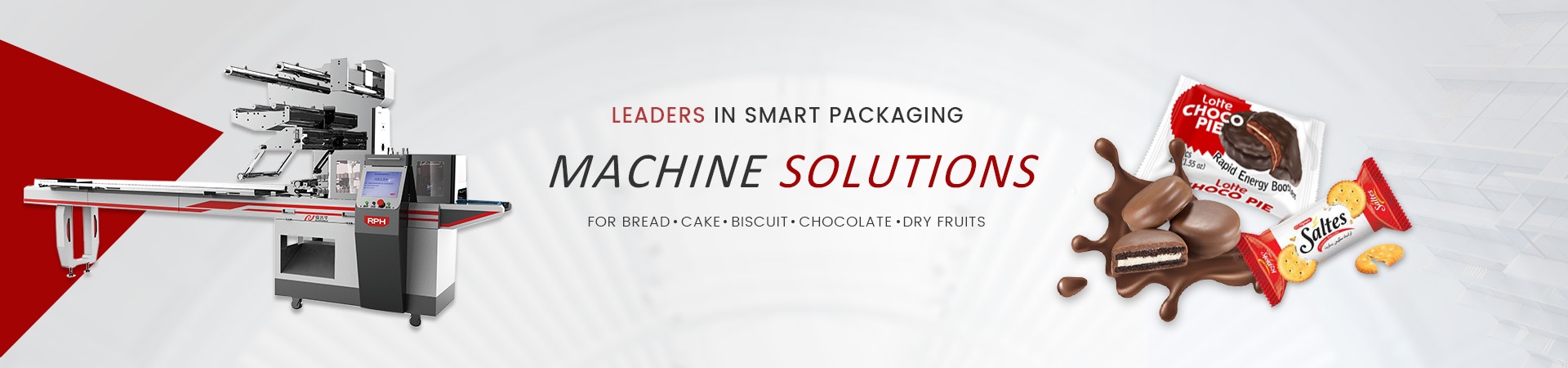
Bread Packaging Machines vs. Traditional Packaging Methods
Bread Packaging Machines vs. Traditional Packaging Methods: A Clash of Titans
In the age of automation and efficiency, the battle for supremacy in bread packaging rages between cutting-edge machines and timeworn traditional methods. As bakeries seek to optimize their operations and deliver the freshest, most appealing loaves to consumers, the choice between these two approaches can significantly impact their success.
Machines: Precision and Speed
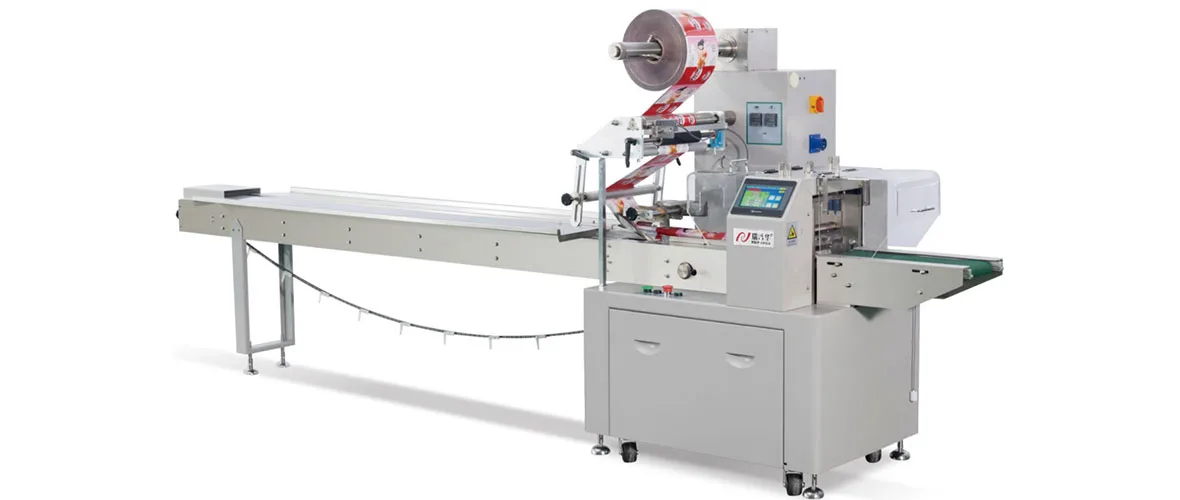
Bread packaging machines are the epitome of automated efficiency. Their sleek designs and precise operations eliminate the need for manual labor and ensure consistent packaging quality. With lightning-fast speed, these machines can package large quantities of bread in record time, reducing waste and maximizing productivity. Advanced sensing technologies allow them to accurately detect variations in loaf size, ensuring a snug fit and preventing damage.
Tradition: Artisanal Charm and Customization
Traditional packaging methods, on the other hand, evoke a sense of nostalgia and craftsmanship. Bakers can manually fold and seal bread bags, creating unique designs that showcase the artisanal nature of their products. This allows for greater customization, enabling bakeries to tailor their packaging to specific markets and consumer preferences.
Weighing the Pros and Cons
Accuracy and Consistency: Machines provide unparalleled accuracy and consistency in packaging, ensuring that each loaf is securely protected and visually appealing.
Speed and Efficiency: Automation significantly reduces labor costs and increases production capacity, allowing bakeries to meet high demand while maintaining quality.
Waste Reduction: Precise machine packaging minimizes waste by eliminating overwrapping and improper sealing, saving resources and reducing environmental impact.
Artisanal Appeal: Traditional methods allow for personalized packaging that enhances the perceived value and appeal of artisan bread.
Flexibility: Manual packaging enables bakeries to quickly adapt to changes in product size or shape, providing greater flexibility than automated machines.
The Optimal Choice
Ultimately, the choice between bread packaging machines and traditional methods depends on the bakery’s specific needs and goals. For large-scale operations seeking maximum efficiency and accuracy, machines are an ideal solution. For artisanal bakeries prioritizing customization and a handmade touch, traditional methods remain a viable option. However, hybrid approaches that combine elements of both methods can offer a balanced solution, allowing bakeries to benefit from both automation and artisanal charm.
As the bread industry continues to evolve, the battle between packaging machines and traditional methods promises to remain a dynamic and competitive landscape. By understanding the advantages and limitations of each approach, bakeries can make informed decisions that optimize their operations and deliver the ultimate bread-buying experience to consumers.

-
01
How do I choose the right speed for a toas bread packaging line to avoid crushing soft loaves?
22-06-2026 -
 02
02Packaging Machinery: Beyond Sealing, Driving an Efficient, Smart, and Sustainable Future
21-01-2026 -
 03
03Automatic Tray Loading and Packaging Equipment: Boost Efficiency to 160 Bags/Minute
21-11-2025 -
 04
04Automatic Soap Packaging Machine: Boost Productivity with 99% Qualification Rate
21-11-2025 -
 05
05A Deep Dive into Automatic Toast Processing and Packaging System
18-11-2025 -
06
The Future of Bakery Production: Automated Toast Processing and Packaging System
18-11-2025 -
 07
07Reliable Food Packaging Solutions with China Bread, Candy, and Biscuit Machines
11-10-2025 -
 08
08High-Performance Automated Food Packaging Equipment for Modern Production
11-10-2025 -
09
Reliable Pillow Packing Machines for Efficient Packaging Operations
11-10-2025 -
 10
10Advanced Fully Automatic Packaging Solutions for Efficient Production
11-10-2025
