

Exploring the World of Package Building Systems
The Importance of Package Building Systems
Package building systems play a crucial role in modern software development. These systems streamline the process of creating, installing, and managing software packages, making it easier for developers to distribute their applications efficiently. Let’s delve into the world of package building systems and explore their significance in the software development landscape.
Understanding Package Building Systems
Package building systems are tools that automate the process of packaging software components into distributable units. They help developers package their code, libraries, and dependencies into a format that can be easily installed and managed by users. These systems ensure that software can be distributed consistently across different platforms and environments.
The Evolution of Package Management
Package building systems have evolved significantly over the years. From simple scripts to sophisticated build automation tools, these systems have become integral to the software development workflow. Early package managers like RPM and APT paved the way for modern package managers such as npm, pip, and Maven.
Benefits of Package Building Systems
There are several benefits to using package building systems in software development:
- Dependency Management: Package managers handle dependencies automatically, ensuring that the required libraries and components are installed correctly.
- Version Control: Package building systems maintain version control, making it easy to track changes and updates to software packages.
- Reproducibility: By defining dependencies and versions in a package file, developers can recreate the exact environment in which the software was built.
Popular Package Building Systems
Some widely used package building systems include:
- npm: Node Package Manager for JavaScript projects
- pip: Package installer for Python packages
- Composer: Dependency manager for PHP
Best Practices for Package Building
When working with package building systems, it’s essential to follow best practices to ensure the reliability and security of your software:
- Regular Updates: Keep your packages up to date to benefit from bug fixes and security patches.
- Code Reviews: Implement code reviews to catch errors and improve the quality of your packages.
- Automated Testing: Use automated testing to validate your packages and ensure they function as intended.
Conclusion
Package building systems have revolutionized the way software is developed, distributed, and managed. By leveraging these tools effectively, developers can streamline their workflow, improve collaboration, and deliver high-quality software products to users.



-
01
How do I choose the right speed for a toas bread packaging line to avoid crushing soft loaves?
22-06-2026 -
 02
02Packaging Machinery: Beyond Sealing, Driving an Efficient, Smart, and Sustainable Future
21-01-2026 -
 03
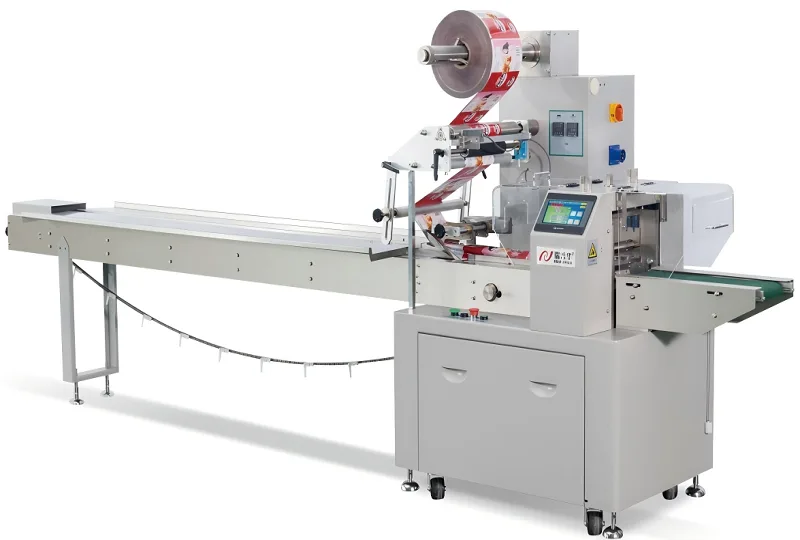
03Automatic Tray Loading and Packaging Equipment: Boost Efficiency to 160 Bags/Minute
21-11-2025 -
 04
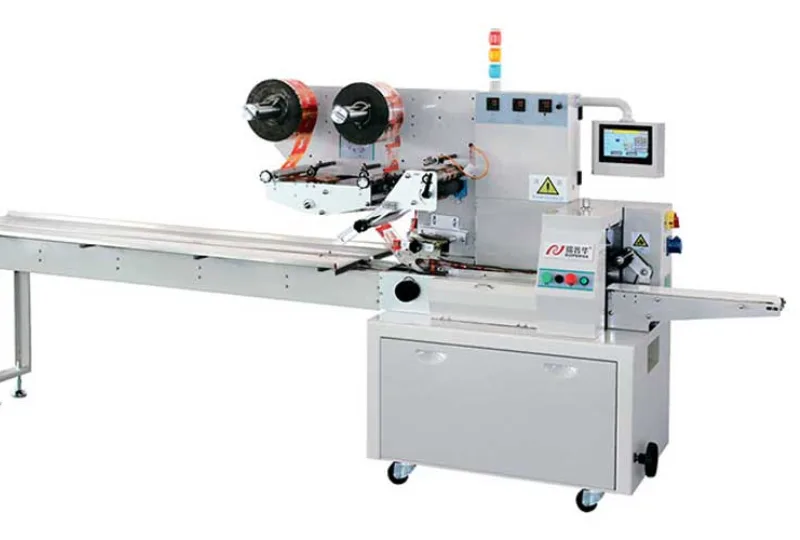
04Automatic Soap Packaging Machine: Boost Productivity with 99% Qualification Rate
21-11-2025 -
 05
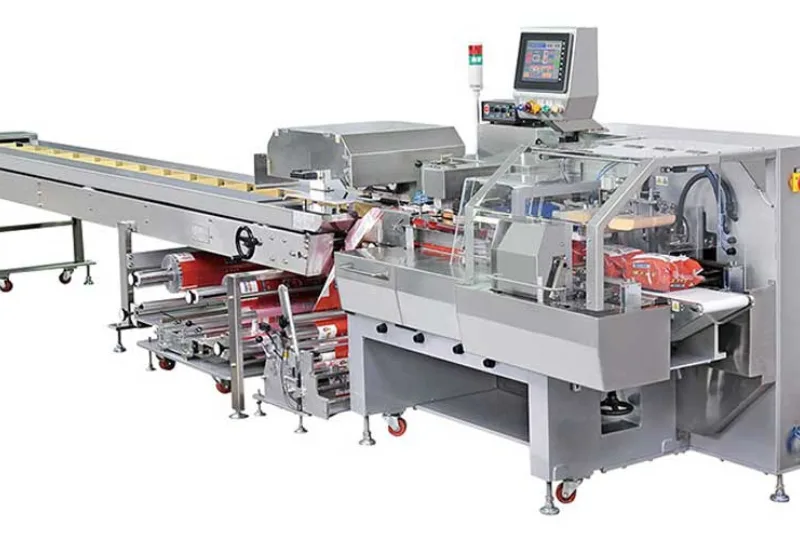
05A Deep Dive into Automatic Toast Processing and Packaging System
18-11-2025 -
06
The Future of Bakery Production: Automated Toast Processing and Packaging System
18-11-2025 -
 07
07Reliable Food Packaging Solutions with China Bread, Candy, and Biscuit Machines
11-10-2025 -
 08
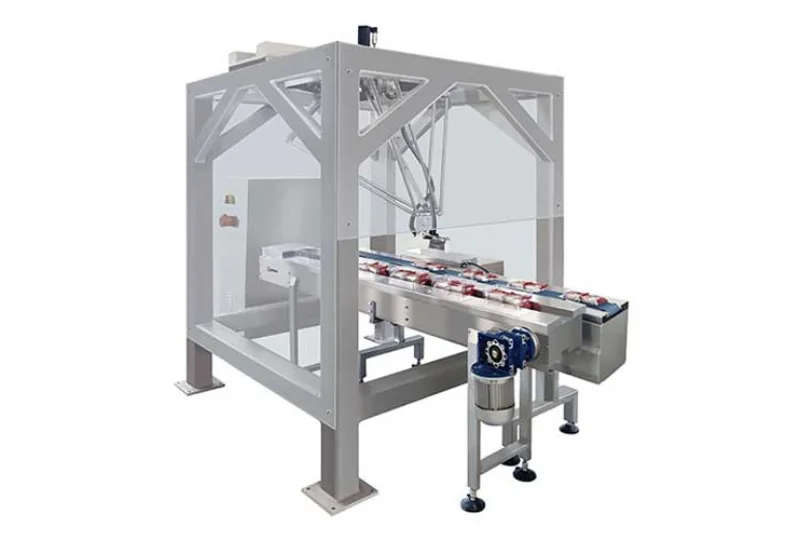
08High-Performance Automated Food Packaging Equipment for Modern Production
11-10-2025 -
09
Reliable Pillow Packing Machines for Efficient Packaging Operations
11-10-2025 -
 10
10Advanced Fully Automatic Packaging Solutions for Efficient Production
11-10-2025
